
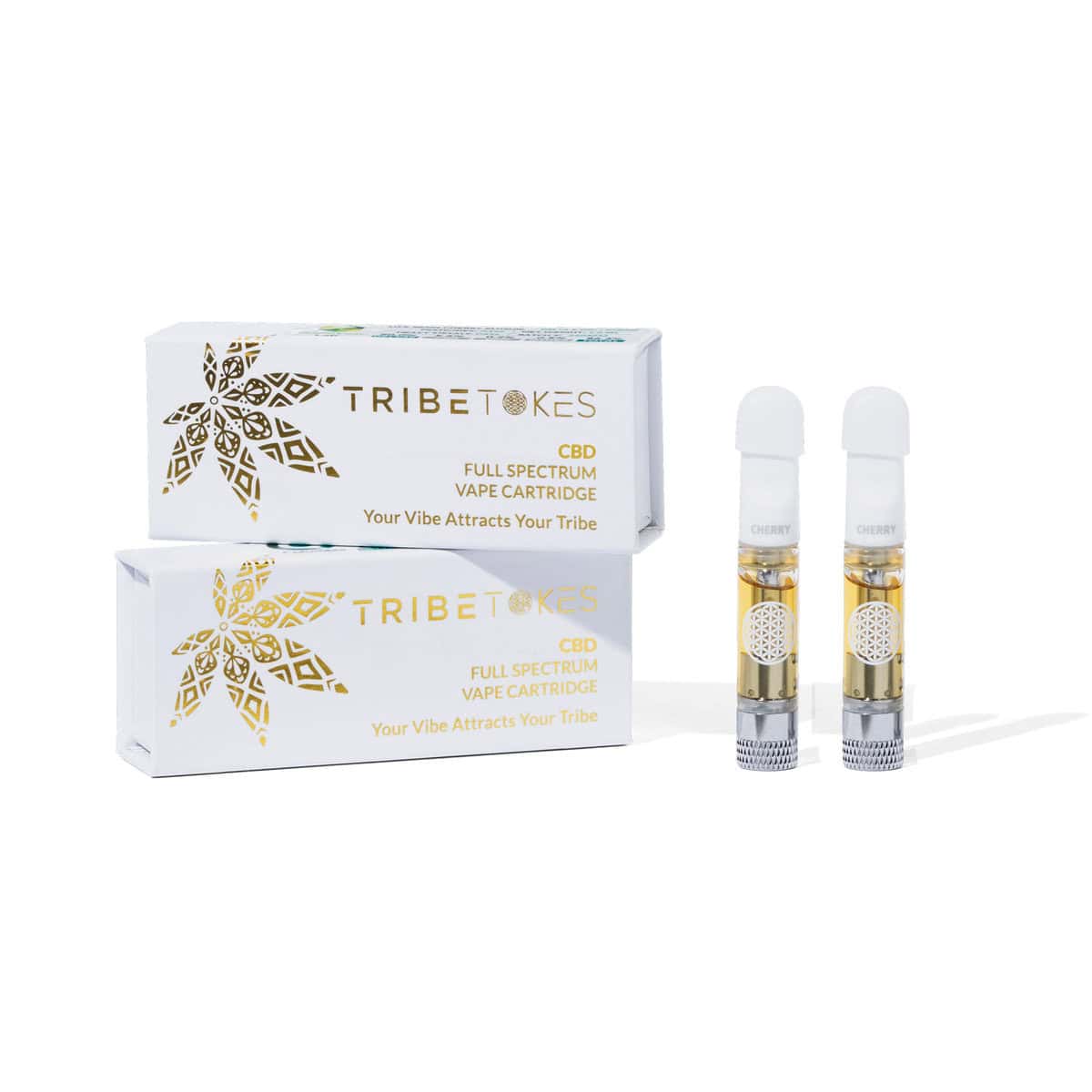
1000mg of CBD in a single cartridge represents a significant concentration of cannabinoids, a number that often leaves novice users scratching their heads about how much they actually need. As the market for hemp derivatives expands, the method of delivery has shifted from messy oils to the precision of inhalation. This change isn’t just about convenience; it is about how quickly those compounds hit the bloodstream.
When a person uses a vape pen, the heating element turns the oil into an aerosol. This bypasses much of the digestive process that slows down traditional edibles. For many, this is the difference between waiting two hours for relief and feeling it in minutes. It is a shift toward efficiency in a market that is increasingly crowded with competing standards.
The hardware matters as much as the oil itself. A user might find themselves staring at a shelf of different devices, wondering if a 510-thread connection is truly necessary or if a disposable unit is better for travel. The technical side of the industry is growing, moving away from DIY setups toward standardized, lab-tested cartridges that prioritize consistency.
The Chemistry of the Coil
Not all cartridges are created equal, and the distinction often lies in what is (or isn’t) inside the tank. Some manufacturers focus on purity, stripping away everything but the CBD molecule. Others lean into the entourage effect, which suggests that cannabinoids work better when they are taken alongside the other compounds found in the plant.
For example, PJ Pure CBD vape cartridges from Primary Jane use full-spectrum CBD oil sourced from USA hemp, but they make a point of excluding certain additives. They do not include VG, PG, PEG, MCT, or Diacetyl. This approach targets users who want to avoid the common chemical fillers that sometimes appear in lower-quality hardware.
On the other side of the spectrum, you have flavor-focused products. Some brands use strain-specific terpenes to mimic the scent and effect of certain cannabis varieties. This creates a sensory experience that goes beyond the actual chemical makeup of the oil. It turns a functional tool into something more experiential.
The choice often comes down to the user’s goal. A person looking for sleep support might want a specific terpene profile, while someone managing daily discomfort might prefer a clean, isolate-based approach. It is a nuanced market. You have to decide what you are actually looking for: a feeling or a specific chemical dose.
Consider a user named Mark. He travels constantly for work and previously carried a heavy glass dropper bottle of CBD oil in his briefcase. It was messy, and he often spilled a few drops on important documents. Switching to a small, discreet 510-thread cartridge changed his daily routine, allowing him to use it quickly in a hotel room without the risk of a stained shirt or a leaking bag.
Standardizing the Connection
The 510-thread connection is the industry standard for a reason. It is a universal screw-on mechanism that allows users to swap cartridges between different battery devices. This modularity is a massive advantage for those who don’t want to be locked into a single brand’s proprietary hardware. If you own a high-quality battery, you can buy various oils and know they will fit.
The hardware options generally fall into three categories:
- Disposable Pens: These are all-in-one units. When the oil runs out, you throw the whole device away. They are incredibly convenient for travel.
- 510-Thread Cartridges: These are the replaceable tanks that screw onto a separate battery. They are more sustainable and often allow for better flavor.
- Refill Kits: These are for the enthusiasts. They allow you to buy bulk oil and refill your own tanks, though they require a steady hand and a bit of patience.
Price points vary wildly depending on these factors. Some companies, like Just CBD Store, focus on providing a high inventory of disposable options at a lower price point to capture the entry-level market. This makes it easier for people to test the technology without a massive financial commitment. However, the price of the hardware is often a signal of the quality of the oil inside.
Finding the right balance between cost and quality is the primary struggle for most consumers. If you spend too little, you might end up with a cartridge that tastes like burnt plastic or contains heavy metals. If you spend too much, you might be paying for a brand name rather than the actual hemp extract. It is a balancing act. Accuracy matters.
Terpenes and the Entourage Effect
If you want to understand why one cartridge feels “calming” and another feels “uplifting,” you have to look at the terpenes. These are aromatic compounds that give plants their scent. In the CBD world, they are used to guide the user toward a specific sensation. Without them, you are just consuming raw CBD, which is often neutral and somewhat flavorless.
There is a technical debate about whether these additives are “natural” or “synthetic.” Some brands, like Plain Jane, focus on using strain-inspired terpene flavors to provide that specific profile. This allows a user to select a “Blueberry” or “OG” profile even if the actual CBD content is the same across the board.
The effectiveness of these profiles often depends on the extraction method used for the hemp oil. Full-spectrum oils contain a wide array of cannabinoids, including trace amounts of THC (usually under 0.3%). Many enthusiasts swear by this because of how these elements interact. This interaction is what researchers call the entourage effect. It is a complex biological conversation.
| Oil Type | Composition | Common Use Case |
|---|---|---|
| Isolate | 99% Pure CBD | Precision dosing; no THC or flavor. |
| Broad-Spectrum | CBD + Other Cannabinoids | Effect without the psychoactive THC. |
| Full-Spectrum | Full range of plant compounds | Maximizing the “entourage effect.” |
It is helpful to check vaposearch.com to see how different brands stack up against each other for these specific formulations. The market is moving toward transparency, but not everyone is playing by the same rules. Some companies provide third-party lab results that show exactly what is in the oil, while others are much more vague about their ingredients.
You should always look for “lab tested” on the packaging. If a company won’t show you the certificate of analysis for their specific batch, you shouldn’t be putting that oil into your lungs. There are no shortcuts here. You are essentially conducting your own chemistry experiment every time you take a puff.
Navigating the Shopping Experience
The sheer variety of options can be overwhelming. You might see “fast-acting” on one label and “organic hemp oil” on another. One company, Secret Nature, focuses on premium, organic hemp oil in their 510-thread compatible cartridges. Their approach is aimed at the consumer who views CBD as a wellness ritual rather than a quick fix.
Then there is the “fast-acting” claim. This usually refers to how quickly the vapor is absorbed by the lungs. Because the lungs have a massive surface area and direct access to the bloodstream, the effects of a vape cartridge are almost immediate. This is a major selling point for people dealing with acute issues, like sudden tension or discomfort, where waiting for a gummy to digest is not an option.
When shopping, keep these logistical details in mind:
- Shipping Speed: If you need a product for a specific event or a recurring need, check if the company offers fast shipping.
- Compatibility: Ensure your battery matches your cartridge (usually 510-thread).
- Flavor vs. Function: Decide if you want to taste a specific strain or if you just want the medicine.
It is easy to get lost in the marketing. Some brands will tell you their oil is “clean,” but they don’t define what that means. Does it mean no pesticides? No heavy metals? No solvents? A good brand will be specific. They won’t just tell you it’s good; they will show you the data that proves it is good.
The industry is maturing. We are seeing a move away from the “Wild West” era of unregulated oils and toward a more professionalized standard of production. This is good for everyone. It means more reliable products and less guesswork for the person sitting on their couch trying to decide which cartridge to buy. It is a complex, fascinating shift in how we consume plant medicine. vaposearch.com covers this in more detail.
Common questions
What is the difference between a cbd cart disposable and a refillable cartridge?
A cbd cart disposable is a self-contained unit that cannot be refilled, whereas refillable cartridges require a separate oil source and a battery.
Do I need a specific cbd cartridge battery for my vape?
Yes, you need a compatible 510-thread battery that provides adjustable voltage to ensure the cartridge heats correctly without burning the oil.
What should I look for when choosing the best cbd cartridges?
Look for third-party lab testing, high-quality extraction methods, and a clear breakdown of cannabinoid content to ensure purity and potency.
Can I buy a cbd cartridge refill kit?
Yes, refill kits allow you to reuse your hardware by providing replacement coils or tanks designed to be filled with bulk CBD oil.
What does a cbd cartridge 1000mg mean?
This indicates that the cartridge contains 1000mg of total CBD, providing a specific dose for consistent usage.