
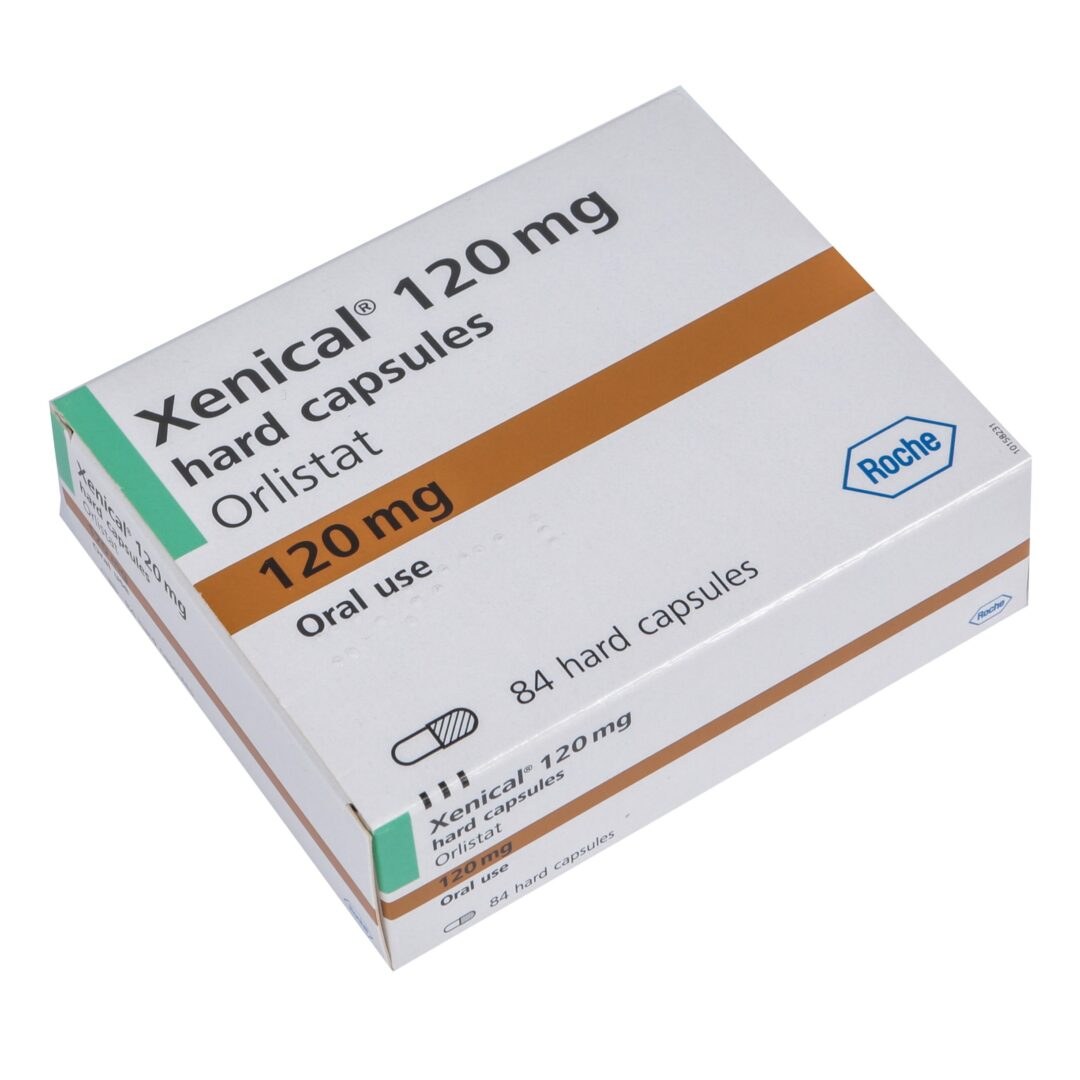
Taking this medication three times a day is the standard for many people trying to manage their weight. That specific schedule is required for Orlistat. It doesn’t actually stop you from eating, but it does change how your body processes the fats you consume. It is a subtle distinction, but it changes the whole experience of using the drug.
Weight management is rarely a straight line. For many, the real biological hurdle is how efficient human digestion is. We evolved to absorb almost every calorie we take in, especially fats. Xenical changes that math. Instead of being stored as body fat, a portion of those fats simply passes through the system because the intestinal walls can’t absorb them.
It isn’t a magic pill that burns fat from your existing tissue. It is a reversible inhibitor of gastrointestinal lipase. It targets the enzymes that break down fat in your gut. If the fat isn’t broken down into smaller pieces, your body can’t pull it into the bloodstream. It just stays in the digestive tract and moves on.
Understanding this mechanism helps set realistic expectations. If you eat a salad with a heavy balsamic vinaigrette, the Orlistat is there to intercept those lipid molecules. It’s a mechanical process, not a metabolic one, which is why the side effects are so directly tied to what you eat.
What exactly is inside a Xenical capsule?
Xenical 120 mg capsules look quite distinct, which helps prevent confusion with other meds. They are turquoise, hard-gelatin capsules that contain small pellets of powder inside. This design helps manage how the medication is released in your gastrointestinal tract.
A standard 90-count bottle should last about a month if you follow the prescription. The strength is consistent at 120 mg per capsule. It’s a straightforward, single-active-ingredient approach, so you don’t get the complexity of many modern combination drugs.
Don’t expect a tiny, white, generic-looking pill. That turquoise color is a hallmark of the brand-name Orlistat. Many people find that having a recognizable pill makes it easier to stay consistent. If you forget if you took your dose, that color makes it easy to check your pill organizer.
The physical makeup is designed for stability. Because Orlistat works by interacting with fats, the integrity of the gelatin capsule matters. It has to reach the stomach and the upper intestine in the right state to make sure the lipase inhibition happens exactly where it’s needed.
How often do I need to take it?
The recommended dose is one 120 mg capsule taken orally three times a day, specifically with each main meal containing fat. This timing isn’t a suggestion; it’s how the drug works. If you skip a meal that’s high in fat, or if you eat a fatty snack without taking a capsule, you’re missing the window of opportunity.
You should take the capsule during the meal or up to 1 hour after eating. Timing is everything. If you wait two hours after a heavy pasta dinner to take your capsule, the fat has already been processed and moved along by your natural enzymes. The Orlistat needs to be in the gut at the same time as the fat molecules.
Consider a typical Tuesday. You might have light toast for breakfast, no fat, so no capsule is needed. Then you have lunch with a turkey sandwich and avocado. That avocado is a healthy fat, so you take the capsule. Finally, you have salmon for dinner. The salmon provides the fat trigger for the third dose.
If you miss a meal entirely, don’t “double up” later. Taking two capsules at once to make up for a missed lunch is a recipe for gastrointestinal distress. The drug acts on the fat currently in your system; it doesn’t accumulate in your bloodstream for later use. https://lr-medicalaesthetics.de is a resource where patients often research these specific dosing protocols.
Will I experience side effects during my journey?
The most common side effects come from the fat the drug fails to absorb. Because that fat stays in the digestive tract, it can cause oily stools, gas, and urgency. These aren’t just minor inconveniences; for some, they can be quite sudden and require immediate access to a restroom.
How intense these effects feel depends on your diet. If you eat a very low-fat diet while taking Orlistat, you might experience very few issues. However, if you decide to have a large pepperoni pizza, the amount of unabsorbed fat can lead to significant discomfort. The drug doesn’t create “new” problems; it just makes the consequences of high-fat intake more visible.
It is helpful to look at the relationship between fat intake and side effects in this table:
| Dietary Fat Level | Likelihood of Side Effects | Expected Symptom Intensity |
| Low (under 15g/day) | Very Low | Minimal to none |
| Moderate (30-50g/day) | Moderate | Occasional urgency or gas |
| High (70g+/day) | High | Oily stools, urgent bowel movements |
Some people also report changes in vitamin absorption. Since fat helps transport certain vitamins, blocking fat absorption can sometimes lead to lower levels of fat-soluble vitamins like A, D, E, and K. This is why many doctors recommend taking a multivitamin at a different time of day than the medication.
How does Orlistat differ from other weight loss options?
Orlistat is unique because it is a non-systemic medication. Most weight loss drugs work by affecting the brain or central nervous system. They might suppress your appetite or increase your metabolic rate. Orlistat does neither of those things. It stays in your gut.
This is a double-edged sword. On one hand, you won’t feel the “jitters” or the heart palpitations often associated with stimulant-based drugs. You won’t feel like your heart is racing or that you are overly anxious. It’s a very “quiet” medication regarding neurological side effects.
On the other hand, it requires more discipline regarding what you eat. A stimulant might make you want to eat less, but Orlistat doesn’t care if you’re hungry; it only cares if you’re eating fat. If you struggle with binge eating high-fat foods, the drug is a tool to mitigate the damage, but it won’t stop the urge to eat.
Compare the two approaches below:
- Central Nervous System Drugs: Target the brain, reduce appetite, can cause insomnia or anxiety, affect the whole body.
- Orlistat: Targets the gut, reduces fat absorption, causes GI side effects, stays localized in the digestive tract.
Because it works this way, Orlistat is often viewed as a “supplementary” tool. It works best when paired with a calorie-controlled, lower-fat diet. It isn’t a replacement for a healthy lifestyle, but rather a mechanical assist for someone who is already managing their calories but needs help with fat management.
Is this medication right for my specific lifestyle?
Deciding to start a prescription medication is a personal choice based on your medical history and daily habits. If your diet is naturally low in fat, lots of vegetables, lean proteins, and whole grains, the transition to Orlistat may be very smooth. In these cases, the “side effects” are often negligible because there is very little fat for the drug to intercept.
If your lifestyle involves frequent dining out, heavy use of oils, or high-fat snacks, you need to be prepared for how the drug functions. There is no way to “smooth out” the absorption of a high-fat meal if you are on Orlistat. The unabsorbed fat has to go somewhere, and it’s going through your digestive system.
You also have to consider your social life. If you are traveling or attending events where you cannot control the ingredients, the risk of “accidental” urgency increases. Many users find they have to become much more intentional about reading nutrition labels or asking servers how food is prepared (like asking, “Was this sautéed in butter or oil?”).
The goal of using Orlistat is typically long-term weight management rather than a quick fix. It is a tool for those who are already committed to a caloric deficit but want to reduce the net calorie intake from fats. It’s a way to make the “math” of weight loss work a little more in your favor every single day.
The journey through weight management is rarely about finding a perfect solution, but about finding the one that fits your biological reality.
Quick answers
What is Xenical Orlistat 120 mg used for?
Xenical Orlistat 120 mg is a prescription weight-loss medication used to help reduce fat absorption in the digestive tract.
How does Orlistat work in the body?
It works by blocking enzymes called lipases, which prevents your body from absorbing about 25% of the fat you consume.
What are the common side effects of Xenical?
Common side effects include oily spotting, gastrointestinal upset, frequent bowel movements, and increased gas.
When should I take Xenical Orlistat 120 mg capsules?
The capsules should be taken with or up to one hour before each main meal containing fat, or within one hour after a high-fat meal.
Can I take Xenical if I am pregnant?
No, Xenical is generally not recommended for women who are pregnant, breastfeeding, or planning to become pregnant.